
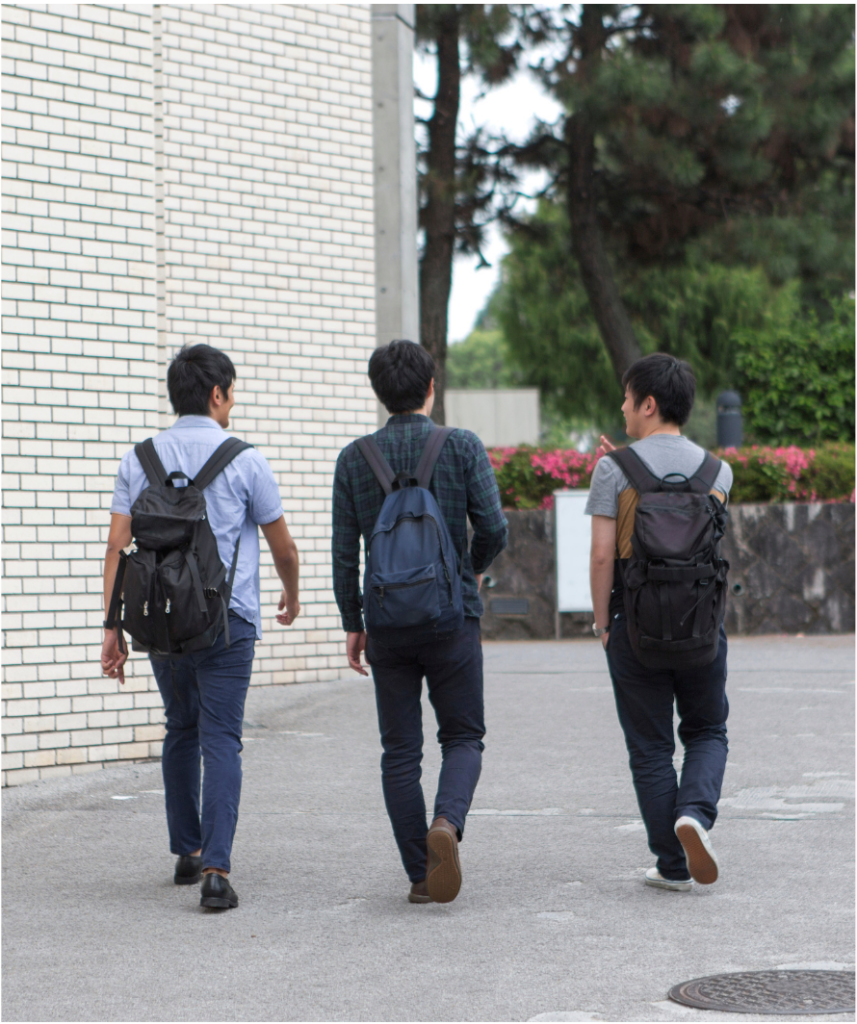
Summer break often brings opportunities for students to rest, reconnect and renew themselves. For many, though, it also disrupts the routines and support systems they rely on during the academic year. As students transition from the structured environment of campus to the uncertainty of home, work or new surroundings, they may face challenges that affect mental health, safety and continuity of care. For students already navigating stress, exploring their identities or contending with complex home dynamics, these months can be especially difficult.
Campuses and providers play a critical role in preparing students for this shift. By addressing the risks and needs associated with summer transitions, institutions can help students maintain stability, access support and return in the fall feeling connected and ready to thrive.
Why summer transitions matter
Research consistently shows that transitions can increase the risk of mental health concerns.
- Loss of routine and structure
- Less access to campus counseling or health services
- Feeling disconnected from friends and peers
- Increased academic or financial stress
- Changes in housing, employment or family expectations
For some, returning home means reentering environments that may not be supportive of their mental health needs or personal identity. Others may face uncertainty around food security, transportation or access to technology. These factors can influence well-being throughout the summer months.
Recognizing these patterns allows campuses and providers to intervene early and offer supports that bridge the gap between semesters.
Key risk factors during summer break
Disrupted continuity of care
Students who rely on campus counseling, case management or health services may lose access once the semester ends. Without a clear plan, they may experience lapses in medication management, therapy or crisis support.
Social isolation
Strong peer connections can help young adults navigate stress and life challenges. Summer can interrupt these connections, especially for students who live far from campus or lack supportive relationships at home.
Housing and safety concerns
Some students return to environments that are unstable, crowded or unsafe. This includes students experiencing family conflict, financial strain or identity-based rejection.
Identity-related stress for LGBTQ+ students
Not all students identify as LGBTQ+, but those who do may face unique challenges during summer transitions. Returning to unsupportive homes, losing access to affirming peer communities or pausing gender-affirming care can increase stress, anxiety or depression. Pride Month in June offers an opportunity to acknowledge these realities and ensure that LGBTQ+ students have clear pathways to support.
What campuses and providers can do
Conduct pre-break check ins
Encourage faculty, advisors and support to check in with students before the semester ends. Simple questions such as “What are your plans for the summer?” or “Do you have the support you need?” can surface concerns early.
Create individualized transition plans
For students receiving mental health or case management services, develop a brief transition plan that includes:
- Local or telehealth providers Many students are eligible during summer months, so it’s important to help them understand how to access these services.
- Medication continuity
- Crisis resources
- Safety planning
- Peer or community support options
Share crisis and safety resources widely
Students should leave campus with clear, accessible information about:
- 988 Suicide and Crisis Lifeline
- Crisis Text Line (text HOME to 741741)
- Local emergency services
- Campus-specific after-hours protocols
For LGBTQ+ students, consider including identity-affirming options such as The Trevor Project, Trans Lifeline and local LGBTQ+ community centers.
Prepare for fall reentry
Summer is also a planning period for campuses. Consider:
- Updating crisis-response protocols
- Reviewing mental health referral pathways
- Training RAs and support staff on inclusive practices
- Strengthening partnerships with local providers
- Ensuring communication materials use supportive, stigma-reducing language
Resources valuable to ICCTAC partners
ICCTAC’s mission centers on strengthening campus mental health systems across Illinois. The following resources can support campuses as they prepare for summer transitions and can also be helpful to support students year round:
- Healthy Minds Network for national data on student mental health
- The Jed Foundation for transition planning tools and campus readiness frameworks
- Active Minds for peer-to-peer mental health resources
- Suicide Prevention Resource Center for evidence-based crisis response strategies
- SAMHSA Evidence-Based Practices Resource Center for guidance on continuity of care
- Illinois DocAssist for provider consultation on youth mental health and medication questions
- 988 Suicide and Crisis Lifeline for national crisis support
Summer transitions are more than a logistical shift. They are a critical window for supporting student well-being. By planning ahead, strengthening communication and offering targeted resources, campuses and providers can help students navigate the months ahead with confidence and connection. By acknowledging the diverse experiences of students, including those who identify as LGBTQ+, institutions can ensure that every student feels seen, supported and prepared for what comes next.
To explore the full ICC TAC resource library, visit icctac.org/resources. To register for free Mental Health First Aid training, visit icctac.org/trainings. If a student is in crisis, call or text 988 to reach the Suicide and Crisis Lifeline, available 24 hours a day, seven days a week.